Christmas Diet Dropout Digital Paper Review
As a designer who spends more time looking at stitch density charts than holiday movies, I approach every new digital asset with a mix of skepticism and curiosity. When Christmas Diet Dropout Digital Paper landed in my review queue, I didn’t just see a festive graphic; I saw a potential machine embroidery design that needed to survive the rigors of real-world production. The name itself suggests a playful, perhaps slightly chaotic energy—a humorous take on holiday indulgence that feels far more relatable than traditional, stiffly perfect Christmas imagery. But does it translate well from screen to fabric? Can it hold up as a viable embroidery file for serious craft business owners, or is it merely a novelty item destined for a hobbyist’s scrap bin?
First Impressions: Mood and Visual Personality
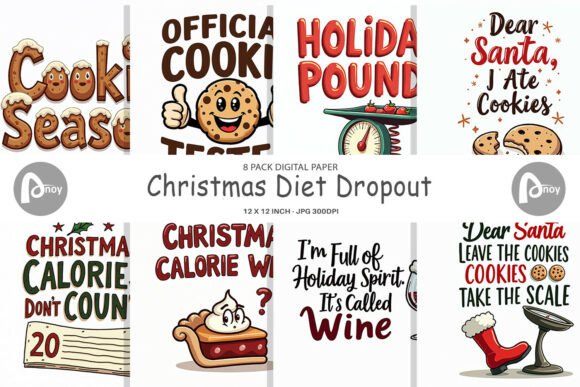
The immediate appeal of this illustrations category piece lies in its personality. It doesn’t scream "traditional elegance"; it whispers (or perhaps shouts playfully) "I survived the holidays." For designers targeting modern, witty audiences, this visual language is gold. The layout feels balanced enough for central placement but dynamic enough to work as an all-over print pattern if digitized correctly.
From a design perspective, the shape and detail level are critical. In the world of commercial embroidery, simplicity often wins because complex lines can muddy when stitched. However, humor-driven designs like this rely on clear readability. If the "diet dropout" theme is conveyed through text or distinct character elements, those details must remain crisp. My first instinct was to imagine how this would look on a heavyweight cotton canvas tote bag versus a soft fleece sweatshirt. The contrast between the playful message and the cozy texture of winter apparel creates an instant emotional connection with the wearer. It’s not just a shirt; it’s a statement piece that signals belonging to a specific, lighthearted community.
Real-World Application: From Screen to Stitch
I recently put this concept to the test while preparing a batch of custom gifts for a client’s office holiday party. The goal was to create something funny yet wearable that wouldn’t feel cheap. We selected a heather grey crewneck sweatshirt, aiming for that authentic, lived-in look. Using Christmas Diet Dropout Digital Paper as the base for our digitization process, we explored how different stitch types could enhance the humor.
For the main body of the design, a dense fill stitch provided a solid foundation, mimicking the weight of a printed graphic without the cracking issues associated with vinyl transfers. Where the design featured smaller accents or outlines, a tight satin stitch ensured clean edges that wouldn’t fray after multiple washes. The result was a finished product that felt premium. Customers don’t just buy embroidery; they buy the tactile experience of quality. When a buyer holds a handmade product that has clear definition and smooth stitching, their trust in the brand increases immediately.
This design also shines in the realm of personalized gifts. Imagine a custom apron for a friend who notoriously burns Thanksgiving turkey or skips workouts only during December. The versatility of this digital embroidery file allows it to adapt to various mediums. On a kitchen towel, it becomes a charming gag gift. On a baby onesie, it transforms into a humorous future-proof statement for parents with a good sense of humor. The key is matching the fabric texture to the design’s intent. A rough linen might obscure fine details, whereas a smooth jersey knit allows the thread colors to pop with maximum impact.
Strategic Use Cases for Small Business Owners
For Etsy sellers and small shop owners, timing is everything. Holiday inventory needs to be ready weeks in advance, but the demand for unique, non-cliché Christmas items remains high throughout November and December. This design offers a niche alternative to reindeer and snowmen. It appeals to the adult demographic that wants to participate in holiday culture without taking it too seriously.
Consider the application on a tote bag design. A sturdy canvas bag featuring this motif is perfect for carrying groceries post-holiday feast or holding gym gear in January—ironically tying back to the "diet dropout" theme. Similarly, as a sweatshirt embroidery piece, it fits seamlessly into the growing market of "ugly Christmas sweater" alternatives that are actually stylish and wearable year-round. The design’s visual weight is substantial enough to justify a higher price point, positioning your small shop product as a boutique item rather than a mass-produced commodity.
Furthermore, this asset can serve as a cornerstone for design assets bundles. By creating printable mockups that showcase the design on various garments, you can attract buyers who prefer digital downloads for home printing or local printing services. This expands your reach beyond those with embroidery machines, tapping into a broader audience of creative entrepreneurs.
Technical Considerations and Pitfalls
While the aesthetic appeal is strong, practical execution requires caution. Not every surface is suitable for this type of detailed work. Avoid using this design on highly textured fabrics like chunky wools or thick terry cloth, as the needle penetration may be inconsistent, leading to skipped stitches. Thin fabrics, such as lightweight polyester blends, require a robust stabilizer to prevent puckering, especially if the design includes large areas of fill stitch.
Curved surfaces, like baseball caps or beanies, present another challenge. The distortion inherent in these shapes can warp straight lines or circular elements within the design. If you plan to use this for an embroidered patch intended for a cap, ensure your digitizing software accounts for the curvature by adjusting the registration marks. Additionally, be mindful of hoop size limitations. If the design exceeds standard hoop dimensions, you may need to split the file, which can result in visible seam lines if not aligned perfectly.
Another critical factor is thread color contrast. Against dark fabrics, light threads may disappear into the weave, while against white fabrics, dark threads might lack definition. Always test your embroidery project on scrap fabric that matches your final material. Check the design in black and white mode to ensure sufficient tonal separation. This step is crucial for maintaining brand consistency and ensuring that the humor of the design isn’t lost due to poor visibility.
Final Verdict: Is It Worth the Investment?
Christmas Diet Dropout Digital Paper is a versatile, mood-appropriate asset that brings a refreshing dose of humor to the holiday season. It performs exceptionally well in custom apparel scenarios, particularly on sweatshirts, tote bags, and kitchen textiles where its playful nature can shine. For craft business owners looking to differentiate their offerings, this design provides a unique angle that resonates with modern consumers.
However, success depends on proper technical preparation. Test your stitch density, verify your stabilizer choice, and always inspect small details before committing to full production. Confirm licensing terms if you intend to sell finished items commercially, as this determines your profit margins and legal standing. When executed correctly, this design transforms from a simple digital image into a valuable embroidery project that delights customers and elevates your brand’s creative reputation. It’s not just about stitching a picture; it’s about crafting an experience that people want to wear, display, and share.